Canada 2026: Latest Study, Work & PR Updates
Canada remains a top study-to-immigrate destination, with its well-known study permit → PGWP → permanent residence pathway still intact. But 2026 has brought significant changes — caps, stricter PGWP rules, and a more selective PR system — alongside a few helpful updates. The key takeaway: program and institution choice now carry real immigration weight. Here's a quick, useful roundup.
6/25/20261 min read
Work After Studies
The Post-Graduation Work Permit (PGWP) is an open work permit — no job offer or LMIA needed — issued for up to 3 years depending on your program length (master's graduates can get a 3-year PGWP even for shorter programs).
Crucial 2026 rule: PGWP eligibility now depends on what you study. University degree graduates (Bachelor's, Master's, PhD) qualify in any field, but college diploma graduates must be in an approved field-of-study linked to shortage occupations — so confirming your program is PGWP-eligible before enrolling is essential. A language test is also required.

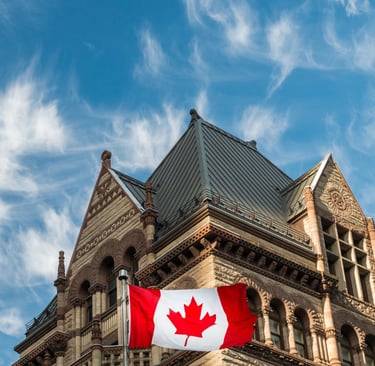
Study in Canada
Students need a study permit and an acceptance from a Designated Learning Institution (DLI). Most applicants also need a Provincial or Territorial Attestation Letter (PAL/TAL) — a school acceptance alone is no longer enough, as it must count against the province's allocation under Canada's study-permit cap (set at up to 408,000 permits for 2026).
A key positive for 2026: from January 1, 2026, master's and doctoral students at public institutions are exempt from the cap and don't need a PAL/TAL, making graduate study easier.
Students can work 24 hours per week off-campus during academic terms and full-time during scheduled breaks. And as of April 1, 2026, post-secondary students no longer need a separate co-op work permit for required placements.
PR & Other Options
The core route is study → PGWP → at least one year of skilled Canadian work → PR via the Canadian Experience Class (CEC) under Express Entry. A bachelor's degree also adds 30 bonus points under the Comprehensive Ranking System (CRS).
Provincial Nominee Programs (PNPs) and category-based draws (targeting specific occupations or French ability) are increasingly important, as general Express Entry draws have not been held since April 2024 — invitations now go through CEC, PNP and category-based selection.
An honest note: the study-to-PR path is more selective end to end than a few years ago, but narrowing is not the same as closing — and smaller student intakes may mean less PR competition for well-prepared graduates later.
Your Trusted Partner for Study, Work & Visit Abroad
We provide complete guidance for Study Abroad, Work Opportunities, and Visit Visas with expert counselling, transparent process, and end-to-end support.
Phone
hello@moonoverseas.com
© 2026 Moon Overseas. All Rights Reserved.
Designed & Developed for Moon Overseas
Office
Working Hours
Monday – Saturday: 10:00 AM – 7:00 PM
SERVICES
Tour Package
Company